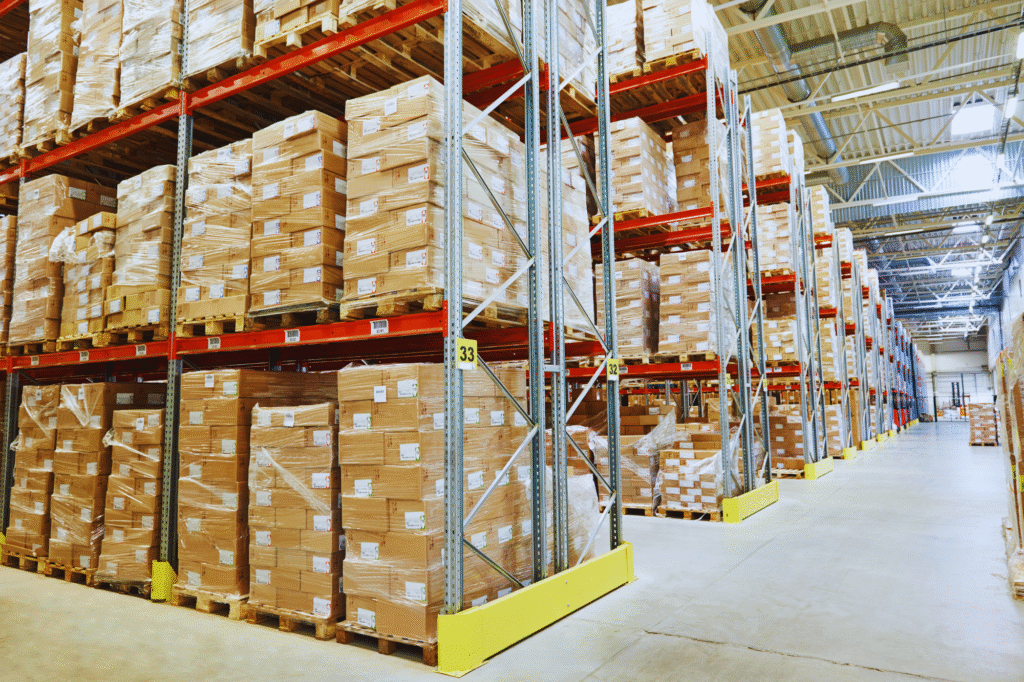
Selecting the right industrial racking system is one of the most important decisions for any warehouse, manufacturing unit, distribution center, or logistics facility. The right storage solution does more than organize your inventory — it improves operational efficiency, optimizes space, increases worker productivity, and reduces long-term costs. However, with so many racking types available, choosing the perfect one can feel overwhelming.
This guide will help you understand exactly how to choose the right industrial racking system for your warehouse, along with expert tips to avoid costly mistakes. As a trusted manufacturer, Indorackk Storage System ensures that every business gets a system engineered for maximum performance, safety, and durability.
1. Understand Your Inventory Requirements
Before selecting any racking system, the first step is to analyze your inventory.
Ask yourself:
What type of goods do you store?
(pallets, cartons, heavy loads, long items, fragile goods, cold-storage products)
What is the weight and size of the items?
How frequently are items picked or moved?
Do you store uniform goods or mixed SKUs?
Why it matters:
Different racking systems are designed for different kinds of inventory. For example:
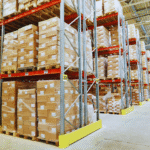
Selective Pallet Racking → multi-SKU, high accessibility
Drive-In Racking → bulk storage, low SKU variation
Cantilever Racking → long or bulky items
Long Span Shelving → manual picking & lightweight cartons
Understanding your inventory helps you choose a system that supports your daily operations without disruption.
2. Evaluate Your Floor Space & Warehouse Layout
Space planning plays a major role in choosing the right racking system. Measure:
Floor area
Ceiling height
Column spacing
Aisle width
Docking locations
Forklift movement paths
If your warehouse has limited floor space, consider:
For warehouses with more space and frequent pallet movement, Selective Racking is usually the best choice.
3. Determine the Level of Accessibility Required
Accessibility decides how quickly goods can be retrieved and how smooth your warehouse workflow will be.
Common access needs include:
High Accessibility (Fast-moving inventory)
→ Use Selective Racking, VNA Racking, Long Span Shelving
Moderate Accessibility (Medium rotation)
→ Use Double Deep Racking, Push Back Racking
Low Accessibility (Bulk storage & low rotation)
→ Use Drive-In / Drive-Through Racking, Pallet Shuttle Systems
Choosing a system based on inventory movement prevents traffic bottlenecks, delays, and productivity loss.
4. Consider Load Capacity & Safety
Safety is a non-negotiable factor when selecting a racking system. Always check:
A well-designed racking system, like those manufactured by Indorackk, ensures structural integrity, load balance, and long-term durability.
Essential safety accessories include:
Column guards
Pallet support bars
Wire mesh decking
Safety barriers
Upright protectors
Load signage
These features help prevent accidents and protect workers as well as inventory.
5. Choose Between FIFO or LIFO Inventory Methods
Your storage system must align with your inventory rotation strategy.
FIFO (First In – First Out) systems:
Ideal for perishable goods, FMCG, and date-sensitive products.
Best options:
Pallet Flow Racking
Carton Flow Racking
Selective Racking
LIFO (Last In – First Out) systems:
Used when product expiry isn’t a concern, and inventory needs bulk storage.
Best options:
Drive-In Racking
Push Back Racking
Shuttle Racking
Using the wrong system for your inventory flow can increase damage, spoilage, and operational inefficiencies.
6. Decide on Manual vs. Automated Storage
Automation is rapidly transforming warehouses. You must determine whether your operations require:
Manual storage systems:
Automation-ready systems:
Support shuttles, AS/RS, robotics, conveyors
Faster picking and replenishment
Lower labor dependency
Higher accuracy
Automation-compatible systems include:
Shuttle Racking
Pallet Flow Racking
VNA Racking
Mobile Compactors
Indorackk designs automation-friendly systems for warehouses preparing for future growth.
7. Think About Future Expansion & Flexibility
Your racking system must support long-term growth. Choose systems that allow:
Adding extra rows or bays
Changing beam heights
Converting to multi-tier systems
Integrating mezzanine floors
Adjusting to new inventory types
Modular racking systems ensure your warehouse can expand without costly replacements.
8. Calculate Total Cost: Not Just the Initial Price
Many businesses make the mistake of choosing cheaper material or low-quality systems. Instead, evaluate:
A high-quality system may cost more initially but offers massive long-term savings.
9. Work With a Trusted Manufacturer
The quality of your racking system depends on the manufacturer. Choose a provider that offers:
Custom design & engineering
Accurate load calculations
Superior quality steel
Professional installation
After-sales support
Safety inspections
Indorackk Storage System is known for delivering reliable, high-performance racking systems that meet international quality standards.
Conclusion
Choosing the right industrial racking system requires careful planning, understanding your inventory, analyzing warehouse layout, and evaluating future needs. A well-designed storage system improves operational efficiency, reduces handling time, increases storage capacity, and ensures maximum workplace safety.
With Indorackk’s expertise, businesses can find the perfect racking solution tailored to their operations — whether it’s selective racking for fast-moving goods, high-density solutions for bulk storage, or advanced systems for automated warehouses.