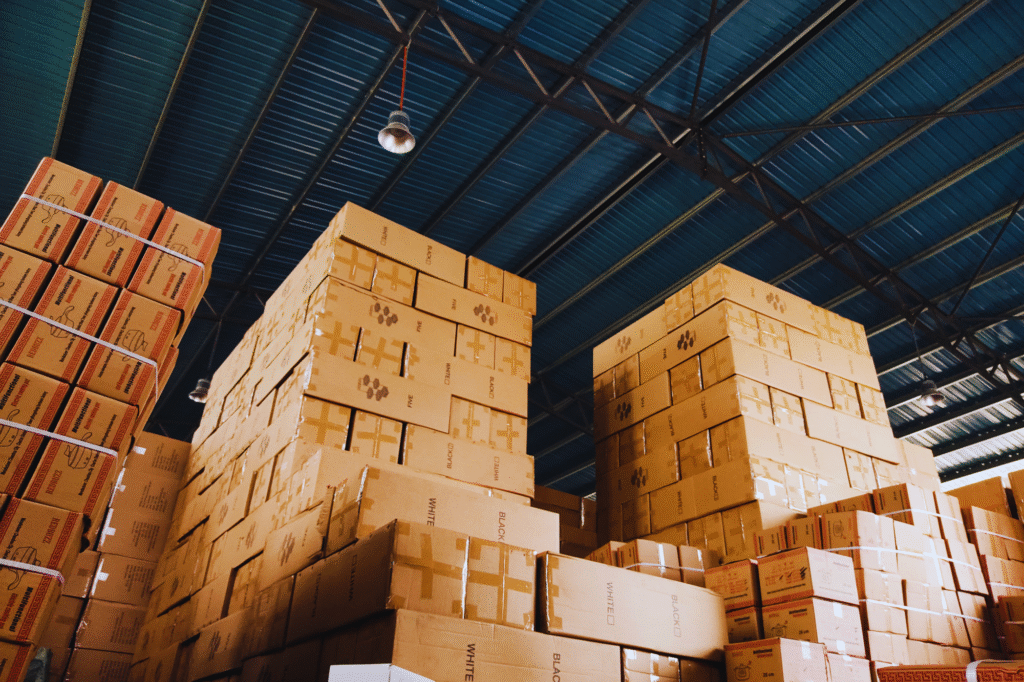
In today’s fast-growing logistics and e-commerce world, warehouse efficiency is no longer optional — it’s essential. Whether you manage a distribution center, manufacturing unit, cold-storage warehouse, or retail facility, optimizing space and improving workflow can significantly reduce operational costs and increase productivity. The right warehouse optimization strategy can transform limited storage into a high-performing, efficient, and safe environment.
At Indorackk Storage System, we specialize in engineering high-quality industrial racking solutions that enhance warehouse performance. In this blog, we share expert-backed warehouse optimization tips that can help you increase storage efficiency, improve safety, and streamline daily operations.
1. Maximize Vertical Space Before Expanding Floor Area
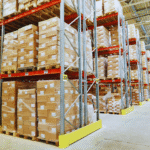
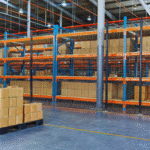
One of the biggest mistakes many warehouses make is underusing vertical space. Instead of expanding the warehouse or renting additional storage, you can dramatically increase capacity by moving upward.
How to use vertical space effectively:
Install high-rise pallet racking systems
Add mezzanine floors for multi-level storage
Use VNA (Very Narrow Aisle) racking for tall storage
Utilize extended uprights & adjustable beams
Vertical storage increases capacity without increasing costs — a key factor for modern warehouses.
2. Choose the Right Racking System for Your Inventory
Every product has unique storage requirements. Selecting the right racking system ensures better organization, higher accessibility, and improved safety.
Best racking systems for different needs:
Selective Pallet Racking – perfect for multi-SKU inventory, offers 100% accessibility
Drive-In Racking – ideal for bulk storage with limited SKU variation
Cantilever Racking – designed for long, bulky items like pipes, sheets & timber
Long Span Shelving – excellent for cartons, boxes, and manual picking
Push Back Racking – high-density storage with LIFO inventory movement
Pallet Shuttle System – semi-automated storage for high-volume warehouses
Choosing the right system ensures smoother operations and higher productivity.
3. Organize Inventory Based on Movement Frequency
Not all products need the same level of accessibility. Classify your inventory into:
Fast-moving
Medium-moving
Slow-moving
Place fast-moving goods near:
Picking stations
Dispatch areas
Main aisles
Place slow-moving items in deeper storage areas or higher rack levels. This reduces travel time and boosts efficiency.
4. Reduce Aisle Width with the Right Equipment
Traditional warehouses use standard aisle widths of 10–12 feet. But with modern equipment like VNA forklifts, Reach Trucks, and Stackers, aisles can be reduced to as low as 5–6 feet.
Benefits of narrow aisles:
More pallet positions
Higher storage density
Better space utilization
If you choose VNA racking, you can increase warehouse capacity by up to 40% without expanding floor space.
5. Implement FIFO or LIFO Based on Inventory Type
Your storage strategy must align with your inventory rotation:
FIFO (First In, First Out) – crucial for perishable and date-sensitive goods (FMCG, pharma, food)
LIFO (Last In, First Out) – ideal for non-perishable & bulk items (construction materials, hardware)
Racking systems like Pallet Flow Racks support FIFO, whereas Drive-In or Push Back Racks support LIFO.
Using the wrong method can cause expired stock, damage, or inefficiencies.
6. Improve Picking Efficiency with Proper Labeling & Signage
A well-organized warehouse uses:
Clear labeling speeds up picking, reduces mistakes, and helps new workers adapt more quickly.
7. Use Automation & Technology Wherever Possible
Modern warehouses are shifting towards automation to improve speed and accuracy.
Automation tools to consider:
AS/RS (Automated Storage & Retrieval Systems)
Pallet Shuttle Systems
Conveyor Systems
Warehouse Management Software (WMS)
Barcode/RFID scanners
Automated Guided Vehicles (AGVs)
Even partial automation can reduce labor dependency and increase workflow efficiency.
8. Install Mezzanine Floors for Multi-Level Storage
If your warehouse has good ceiling height, mezzanine floors can instantly multiply your storage capacity.
Benefits of mezzanine systems:
Add multiple levels for storage, offices, or packing areas
Cost-effective compared to new construction
Highly customizable
Quick installation
A well-designed mezzanine by Indorackk can transform your warehouse without disrupting ongoing operations.
9. Focus on Warehouse Safety Standards
Unsafe warehouses lead to accidents, product damage, and expensive downtime. Safety must always come first.
Safety essentials include:
Upright protectors
Rack load signage
Guard rails
Safety mesh decking
Anti-collapse panels
Proper lighting
Regular inspections
Sturdy, certified racking systems reduce risks and ensure safer working conditions for your staff.
10. Plan for Future Expansion & Scalability
Your warehouse needs will change over time. Choose racking systems that allow:
Adding more levels
Adjusting beam height
Expanding rows
Integrating automation
Reconfiguring layout
Indorackk’s modular racking solutions ensure your warehouse remains adaptable and future-ready.
Conclusion
Warehouse optimization is not a one-time task — it’s an ongoing strategy that involves intelligent design, smart storage systems, and efficient workflow management. By maximizing vertical space, choosing the right racking system, organizing inventory strategically, and integrating the latest technology, you can significantly increase warehouse capacity and boost productivity.
Indorackk Storage System has helped businesses across India create highly efficient, safe, and scalable warehouse environments. Whether you need selective racking, drive-in systems, mezzanine floors, or automation-ready storage, our expert team ensures solutions that match your operational needs perfectly.